Aero Space Controls
Aircraft trim actuator system

Trim Actuators

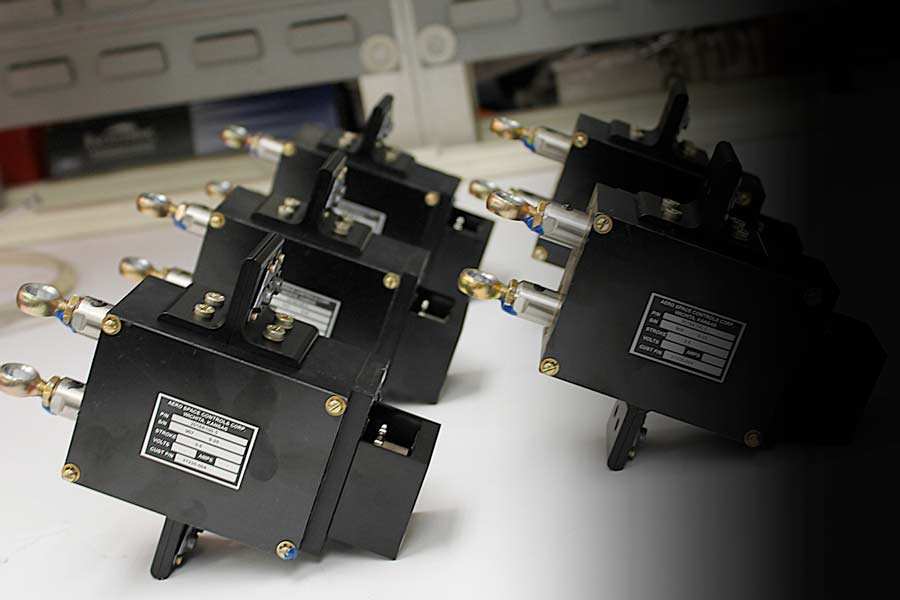
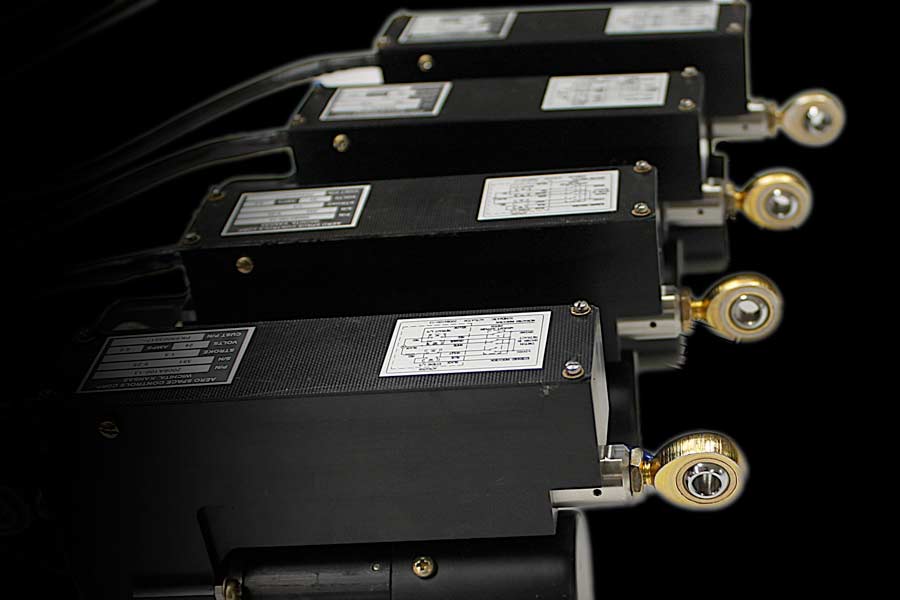
For over 50 years, Aero Space Controls has been a leader in aircraft trim actuation, delivering trusted solutions to industry giants like Textron, Cirrus, Epic, and many others. Our trim actuators have powered millions of flight hours, ensuring precise control and unmatched reliability. Whether you need an elevator trim actuator, rudder trim actuator, or aileron trim actuator, our products are engineered to keep your fleet or project performing at its best.
Learn More

Understanding Aircraft Trim Systems: The Key to Effortless Flight Control

Aircraft trim actuation is essential for maintaining stable flight without constant pilot input. Trim systems adjust aerodynamic forces on primary flight control surfaces—elevator for pitch, rudder for yaw, and ailerons for roll—allowing pilots to focus on navigation and decision-making. Our trim actuators,precisely position trim tabs or control surfaces, countering forces like wind gusts, weight shifts, or configuration changes. With decades of expertise, Aero Space Controls designs and manufactures aircraft trim actuators that meet the rigorous demands of general aviation, business jets, experimental aircraft and defense. Our products are built for durability and performance, trusted across diverse fleets. Below, we explore the specifics of elevator trim actuators, rudder trim actuators, and aileron trim actuators, detailing their functionality and importance.
Our Products
Airplane trim actuator component
Aircraft trim actuators

Elevator Trim Actuator: Mastering Pitch Control in Flight

The elevator trim actuator is a cornerstone of any aircraft trim system, designed to adjust the aircraft's pitch attitude—the nose-up or nose-down orientation. Without effective elevator trim, pilots would need to apply continuous pressure on the yoke or stick, leading to fatigue on long flights. At Aero Space Controls, our elevator trim actuators provide smooth, reliable actuation to adjust the elevator's trim tab, neutralizing aerodynamic forces for effortless control.

How Does an Elevator Trim Actuator Work?

  • Primary Function: The elevator, located on the horizontal stabilizer, controls pitch. The actuator adjusts a small trim tab on the elevator's trailing edge, creating a counterforce to maintain the desired pitch without pilot effort.

  • Benefits: Reduces pilot workload, optimizes fuel efficiency by maintaining ideal trim settings, and enhances safety during climbs, descents, or turbulent conditions.


Our elevator trim actuators power a variety of aircraft, delivering exceptional reliability with millions of incident-free flight hours. For example, during takeoff and climb, the actuator fine-tunes pitch to counteract nose-heavy tendencies from engine thrust, ensuring a smooth ascent.

Our Actuators
Aviation trim control actuator
Aircraft pitch trim actuator

Rudder Trim Actuator: Precision Yaw Control for Balanced Flight

A rudder trim actuator fine-tunes the aircraft's yaw—the left-right movement around the vertical axis—crucial for coordinated turns and straight-and-level flight. Yaw imbalances can stem from engine torque, crosswinds, or asymmetric thrust in multi-engine aircraft. Aero Space Controls' rudder trim actuators provide accurate adjustments through compact, electric motors, ensuring directional stability without constant rudder pedal input.

The Role of Rudder Trim in Aircraft Operations

  • Core Operation: The rudder on the vertical stabilizer controls yaw. The actuator moves a trim tab to offset forces like propeller slipstream or P-factor, keeping the aircraft on course.
  • Integration Features: Linked to yaw dampers and autopilots, our actuators feature designs with manual overrides for emergency scenarios.
  • Key Advantages: Minimizes sideslip, improves turn coordination, and enhances cruise efficiency by reducing drag from untrimmed yaw.


Trusted across a wide range of aircraft, our rudder trim actuators perform reliably in challenging conditions, from crosswind landings to formation flying.
Our Actuators
Airframe trim adjustment actuator
Flight control trim actuator

Aileron Trim Actuator: Optimizing Roll Stability and Handling

The aileron trim actuator manages roll—the banking motion for turns—by compensating for wing-heavy conditions caused by fuel imbalances, flap deployment, or spiral slipstream. Located on the outer wings, ailerons control roll, and their trim actuators ensure level wings without constant stick input. Aero Space Controls' aileron trim actuators offer robust, low-maintenance performance, designed for seamless integration with modern avionics.

Mechanics and Applications of Aileron Trim

  • Functionality: The actuator adjusts trim tabs on one or both ailerons, creating differential lift to counteract roll tendencies and maintain wings-level flight.
  • Advanced Design: Equipped with servo motors and position feedback 
  • Performance Edge: Enhances maneuverability in turns, reduces wing stress, and improves overall flight comfort.


Our aileron trim actuators have supported countless missions, from student training to cross-country flights, proving their durability under extreme G-forces and vibrations.
Our Actuators
Aircraft stabilizer trim actuator
Mechanical trim actuator for aircraft

Why Aero Space Controls for Your Aircraft Trim Actuators?

With over five decades of dedication to aircraft trim actuation, Aero Space Controls is a trusted partner for leading aircraft manufacturers. Our trim actuators are more than components—they're the foundation of safe, efficient aviation. We've logged millions of flight hours across diverse platforms, from piston singles to turbine twins, prioritizing innovation, quality, and customer support.

Our Commitment to Excellence

With more than 50 years of experience, the company delivers proven designs backed by deep industry expertise. Its products have accumulated millions of flight hours, demonstrating unmatched reliability in real-world conditions. The team also provides custom solutions tailored for a wide range of aircraft platforms. In addition, all offerings meet key global standards, including FAA, EASA, and AS9100 certifications, ensuring readiness for worldwide deployment.